Removing a reward to decrease a behavior (e.g., turning your back on a jumping puppy). 3. Common Behavioral Disorders in Domestic Animals
Stereotypies are repetitive, invariant behavior patterns with no obvious goal or function. They develop as coping mechanisms in restrictive or highly stressful environments.
Should we include a illustrating how a behavior plan works alongside medical treatment?
Diffusing synthetic calming pheromones (like Feliway for cats or Adaptil for dogs) throughout the clinic to mimic natural comforting scents. zooskoolcom top
Low-stress livestock handling directly impacts production outcomes. Stressed animals have weaker immune systems, lower meat quality (dark cutters), and reduced milk or egg production. By working with the herd's natural flight zone and point of balance, veterinarians and handlers optimize animal health without relying on physical force. Zoological and Wildlife Conservation
For captive exotic animals, behavioral science is essential for survival. Veterinary teams design complex environmental enrichment programs that mimic natural hunting, foraging, and climbing scenarios. Furthermore, wild animals are trained using positive reinforcement for voluntary medical checks—such as body condition scoring or ultrasound exams—eliminating the need for dangerous physical restraint or chemical sedation. 7. Future Horizons in Behavior and Veterinary Science
Researchers are identifying genetic markers linked to behavioral traits, which may help predict and prevent severe anxiety or aggression in specific lineages. Removing a reward to decrease a behavior (e
To effectively treat behavioral issues, veterinary professionals rely on ethology (the study of natural animal behavior) and established learning theories. Applied Ethology
When behavior modification alone is insufficient for severe anxiety or compulsive disorders, veterinary psychopharmacology becomes a vital component of the treatment plan. Medications are rarely used as a standalone cure; instead, they lower an animal's panic threshold so that learning and behavior modification can take place. Medication Class Common Examples Primary Veterinary Uses Fluoxetine
Are you writing this for a or a scientific/academic platform ? They develop as coping mechanisms in restrictive or
Should we include a illustrating how a behavior plan works alongside medical treatment?
Traditional Handling Fear-Free Practices -------------------- ------------------- Scruffing and heavy restraint ---> Pheromone diffusers & treats Forcing onto slippery tables ---> Examining on the floor or lap Ignoring growls/hisses ---> Pausing and using chemical sedation Core Tenets of Low-Stress Veterinary Visits
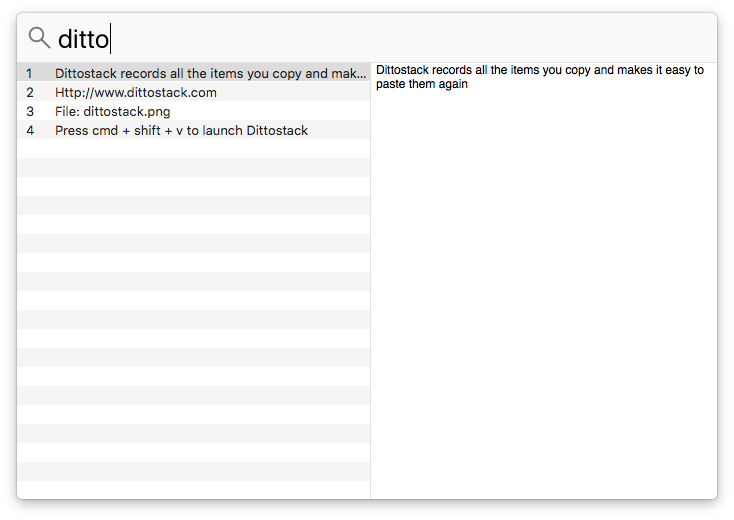
Use Dittostack to quickly search your clipboard history and access previously copied items. Optimized for speed, search results appear on the left, and selected items preview on the right. Press enter to paste, copy to the pasteboard, close Dittostack and paste in the application.
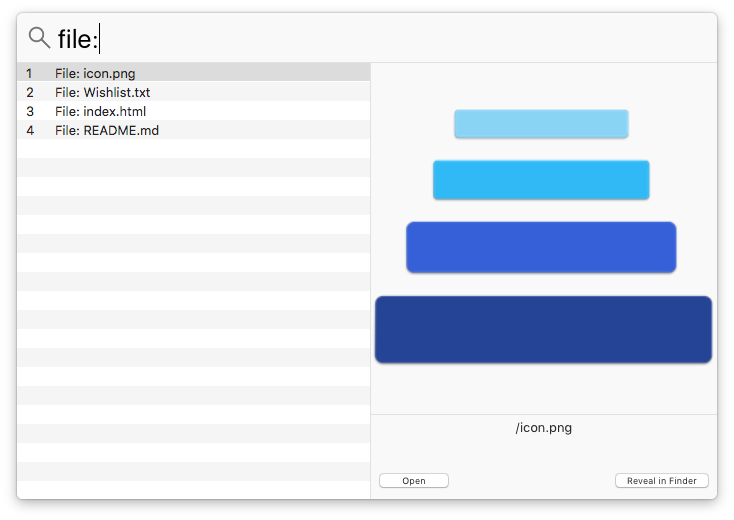
Files and Folders that you have copied will also be displayed in Dittostack. A preview of the selected File or Folder will be displayed in the preview panel on the right.
Dittostack will always appear on the screen you are working on. When using multiple screens, Dittostack will be launched on the screen that the mouse cursor is currently visible on.

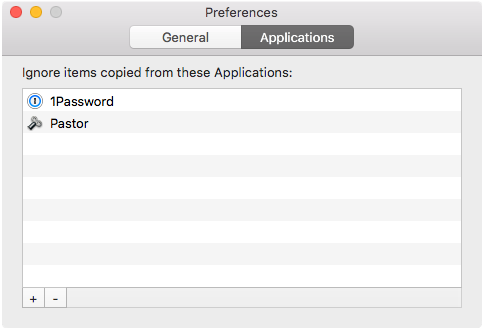
Items copied from applications that contain sensitive data, such as password managers, can be ignored. These applications can be configured in the preferences. Selected items can be deleted from Dittostack by pressing the Command + Delete keys, or by using the Clear All option in the menu bar.