Transfixed.office.ms.conduct.xxx.1080p.hevc.x26...

I should structure it like a proper feature article. Start with a strong, engaging title and introduction that frames the importance of the topic. Then, break it down into logical sections: historical context, major contemporary players (streaming, short-form video, gaming, music), key trends (interactivity, fandom, algorithms, the blurring of lines), and critical issues (impact on attention, echo chambers). End with a forward-looking conclusion. The tone should be analytical but accessible, authoritative yet not overly academic. I'll avoid just listing examples; I need to connect them to broader themes like convergence, participation, and cultural feedback loops. The goal is to make the reader feel they've gained a solid understanding of the entire ecosystem of entertainment and popular media today. Let me start writing. is a long, in-depth article tailored for the keyword

The resurgence of audio media through podcasts and audiobooks highlights a growing demand for secondary-screen or screenless entertainment. Podcasts offer niche storytelling and deep-dive journalism, allowing audiences to integrate content consumption seamlessly into daily routines like commuting, exercising, or cooking. Cultural and Social Impact of Popular Media

A collage of a Netflix interface, a TikTok live screen, a movie poster, and a podcast mic.

Perhaps the most significant shift in popular media is the death of the "gatekeeper." In the past, a handful of studio executives decided what stories were told. Today, platforms like TikTok, YouTube, and Twitch have empowered a new generation of creators.

This scene features performers Dante Colle and Emma Rose .

Algorithmic curation often reinforces pre-existing biases. By continuously serving content that aligns with a user's current views, platforms can inadvertently create ideological echo chambers, accelerating societal polarization.

Cultural content travels across borders instantly. Korean dramas and Latin music regularly top global media charts. Simultaneously, streaming networks fund localized productions to target regional subcultures. Societal Impacts of Modern Content

One of the most significant disruptions in popular media is the democratization of content creation. Historically, production required expensive equipment, distribution networks, and institutional backing. Today, anyone with a smartphone and an internet connection can reach a global audience.

In the span of a single hour, the average person might scroll through TikTok, watch a Netflix trailer, listen to a true crime podcast, and see a meme from a Marvel movie—all without leaving their couch. This is the new reality of . Once separate entities (film, music, radio, print), they have fused into a pervasive, always-on digital ecosystem.

But representation is a double-edged sword. "Tokenism"—adding a diverse character without depth—is now easily spotted and criticized by online audiences. Furthermore, the global nature of streaming has created a fascinating cross-pollination. A Colombian telenovela can become a global hit ( La Casa de las Flores ). A Korean drama can dominate US Netflix. We are watching the slow death of Western-centric media hegemony.

The instant gratification mechanics of short-form media alter attention spans and consumption habits. Constant exposure to idealized lifestyles on social platforms heavily correlates with increased rates of social comparison and anxiety among younger demographics. Future Horizons: The Next Phase of Media

The financial foundation of popular media relies heavily on two primary structures. The subscription video-on-demand (SVOD) model prioritizes subscriber retention through exclusive, high-value intellectual property. Conversely, the ad-supported video-on-demand (AVOD) and social media models prioritize sheer volume and watch time, monetizing user attention directly through targeted advertising. The Creator Economy

For safe browsing and playback tips, communities on Reddit (such as r/Piracy for technical file advice or r/NSFW_Guides) often provide updated "best practices" for managing high-definition media libraries.

댓글 남기기

Transfixed.office.ms.conduct.xxx.1080p.hevc.x26...

I should structure it like a proper feature article. Start with a strong, engaging title and introduction that frames the importance of the topic. Then, break it down into logical sections: historical context, major contemporary players (streaming, short-form video, gaming, music), key trends (interactivity, fandom, algorithms, the blurring of lines), and critical issues (impact on attention, echo chambers). End with a forward-looking conclusion. The tone should be analytical but accessible, authoritative yet not overly academic. I'll avoid just listing examples; I need to connect them to broader themes like convergence, participation, and cultural feedback loops. The goal is to make the reader feel they've gained a solid understanding of the entire ecosystem of entertainment and popular media today. Let me start writing. is a long, in-depth article tailored for the keyword

The resurgence of audio media through podcasts and audiobooks highlights a growing demand for secondary-screen or screenless entertainment. Podcasts offer niche storytelling and deep-dive journalism, allowing audiences to integrate content consumption seamlessly into daily routines like commuting, exercising, or cooking. Cultural and Social Impact of Popular Media

A collage of a Netflix interface, a TikTok live screen, a movie poster, and a podcast mic.

Perhaps the most significant shift in popular media is the death of the "gatekeeper." In the past, a handful of studio executives decided what stories were told. Today, platforms like TikTok, YouTube, and Twitch have empowered a new generation of creators. Transfixed.Office.Ms.Conduct.XXX.1080p.HEVC.x26...

This scene features performers Dante Colle and Emma Rose .

Algorithmic curation often reinforces pre-existing biases. By continuously serving content that aligns with a user's current views, platforms can inadvertently create ideological echo chambers, accelerating societal polarization.

Cultural content travels across borders instantly. Korean dramas and Latin music regularly top global media charts. Simultaneously, streaming networks fund localized productions to target regional subcultures. Societal Impacts of Modern Content I should structure it like a proper feature article

One of the most significant disruptions in popular media is the democratization of content creation. Historically, production required expensive equipment, distribution networks, and institutional backing. Today, anyone with a smartphone and an internet connection can reach a global audience.

In the span of a single hour, the average person might scroll through TikTok, watch a Netflix trailer, listen to a true crime podcast, and see a meme from a Marvel movie—all without leaving their couch. This is the new reality of . Once separate entities (film, music, radio, print), they have fused into a pervasive, always-on digital ecosystem.

But representation is a double-edged sword. "Tokenism"—adding a diverse character without depth—is now easily spotted and criticized by online audiences. Furthermore, the global nature of streaming has created a fascinating cross-pollination. A Colombian telenovela can become a global hit ( La Casa de las Flores ). A Korean drama can dominate US Netflix. We are watching the slow death of Western-centric media hegemony. End with a forward-looking conclusion

The instant gratification mechanics of short-form media alter attention spans and consumption habits. Constant exposure to idealized lifestyles on social platforms heavily correlates with increased rates of social comparison and anxiety among younger demographics. Future Horizons: The Next Phase of Media

The financial foundation of popular media relies heavily on two primary structures. The subscription video-on-demand (SVOD) model prioritizes subscriber retention through exclusive, high-value intellectual property. Conversely, the ad-supported video-on-demand (AVOD) and social media models prioritize sheer volume and watch time, monetizing user attention directly through targeted advertising. The Creator Economy

For safe browsing and playback tips, communities on Reddit (such as r/Piracy for technical file advice or r/NSFW_Guides) often provide updated "best practices" for managing high-definition media libraries.
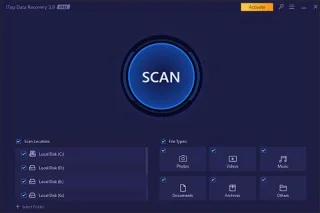
ITop Data Recovery를 사용하여 컴퓨터 데이터를 복원하는 방법

ITop Data Recovery를 사용하여 컴퓨터 데이터를 복원하는 방법

iTop Data Recovery는 Windows 컴퓨터에서 삭제된 데이터를 복구하는 데 도움이 되는 소프트웨어입니다. 이 가이드에서는 iTop Data Recovery 사용 방법에 대해 자세히 설명합니다.

Cleaner One Pro로 Mac, Windows PC 속도를 높이는 방법

Cleaner One Pro로 Mac, Windows PC 속도를 높이는 방법

느린 PC와 Mac의 속도를 높이고 유지 관리하는 방법과 Cleaner One Pro와 같은 유용한 도구를 알아보세요.

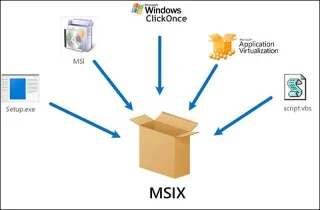
MSIX란 무엇인가요? Windows의 새로운 파일 형식에 대해 알아보기

MSIX란 무엇인가요? Windows의 새로운 파일 형식에 대해 알아보기

MSIX는 LOB 애플리케이션부터 Microsoft Store, Store for Business 또는 기타 방법을 통해 배포되는 애플리케이션까지 지원하는 크로스 플랫폼 설치 관리자입니다.

키보드 없이 Windows 컴퓨터 화면에 로그인하는 방법

키보드 없이 Windows 컴퓨터 화면에 로그인하는 방법

컴퓨터 키보드가 작동을 멈춘 경우, 마우스나 터치 스크린을 사용하여 Windows에 로그인하는 방법을 알아보세요.

AMD Ryzen Master로 RAM을 쉽게 오버클럭하는 방법

AMD Ryzen Master로 RAM을 쉽게 오버클럭하는 방법

다행히 AMD Ryzen 프로세서를 실행하는 Windows 컴퓨터 사용자는 Ryzen Master를 사용하여 BIOS를 건드리지 않고도 RAM을 쉽게 오버클럭할 수 있습니다.

MS Edge를 실행하고 명령줄에서 URL을 여는 방법

MS Edge를 실행하고 명령줄에서 URL을 여는 방법

Microsoft Edge 브라우저는 명령 프롬프트와 같은 명령줄 도구에서 열 수 있도록 지원합니다. 명령줄에서 Edge 브라우저를 실행하는 방법과 URL을 여는 명령을 알아보세요.

컴퓨터에서 가상 드라이브를 생성하는 최고의 소프트웨어

컴퓨터에서 가상 드라이브를 생성하는 최고의 소프트웨어

이것은 컴퓨터에 가상 드라이브를 생성하는 많은 소프트웨어 중 5개입니다. 가상 드라이브 생성 소프트웨어를 통해 효율적으로 파일을 관리해 보세요.

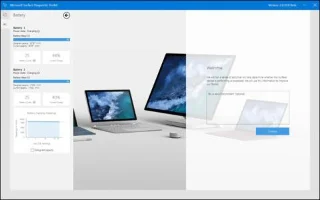
이제 Windows Store에서 Surface 노트북 하드웨어 테스트 도구를 사용할 수 있습니다.

이제 Windows Store에서 Surface 노트북 하드웨어 테스트 도구를 사용할 수 있습니다.

Microsoft의 공식 Surface 하드웨어 테스트 도구인 Surface Diagnostic Toolkit을 Windows Store에서 다운로드하여 배터리 문제 해결 등의 필수 정보를 찾으세요.

USB에 숨겨진 파일과 폴더를 표시하는 방법

USB에 숨겨진 파일과 폴더를 표시하는 방법

바이러스가 USB 드라이브를 공격하면 USB 드라이브의 모든 데이터를 "먹거나" 숨길 수 있습니다. USB 드라이브의 숨겨진 파일과 폴더를 표시하는 방법은 LuckyTemplates의 아래 기사를 참조하세요.