Request to Customer Support
Incorrect nickname or password
Fill all fields
Captcha error
Error
Concluding reflection The psycho paradox reminds us that human minds are dynamic, self-reflective systems woven into social contexts. Interventions that treat mental states as static targets risk producing consequences as complex as the problems they aim to solve. The wiser path is one of modesty, collaboration, and systems thinking: design interventions that respect autonomy, attend to identity, monitor feedback, and adapt as people and contexts change. Embracing the paradox is not resignation but an invitation to craft more humane, flexible, and effective approaches to psychological care and social policy.
While embracing your shadow can have numerous benefits, ignoring it can have serious consequences. When you suppress your shadow, you may experience:
We use optimization tools, automation, and time-management hacks to achieve freedom. Instead of freeing us, higher efficiency is rewarded with a higher volume of more complex work.
Being productive looks like doing less, not more.
When your self-worth is entirely tied to your professional output, a slow day feels like a personal failure. To avoid this identity crisis, you invent tasks to keep yourself artificially busy.
If you are facing the psycho paradox at work, understanding it is the first step toward surviving it.
Your brain requires deep downtime to synthesize information and regulate stress. Establish firm boundaries: turn off work notifications at a specific time every evening, close your laptop over the weekend, and resist the urge to answer non-urgent messages during your off-hours. Teach your team to respect your absence. Diversify Your Self-Worth
According to the research on pragmatic paradoxes, the key is . Workers who feel supported by their leaders and society frame their contradictory tasks as a meaningful social duty rather than a prison of absurdity.
Never let them see you sweat. Keep a mask of absolute competence. The Psycho Paradox: Admitting you don't know, or asking for help, makes you a more effective leader/teammate.
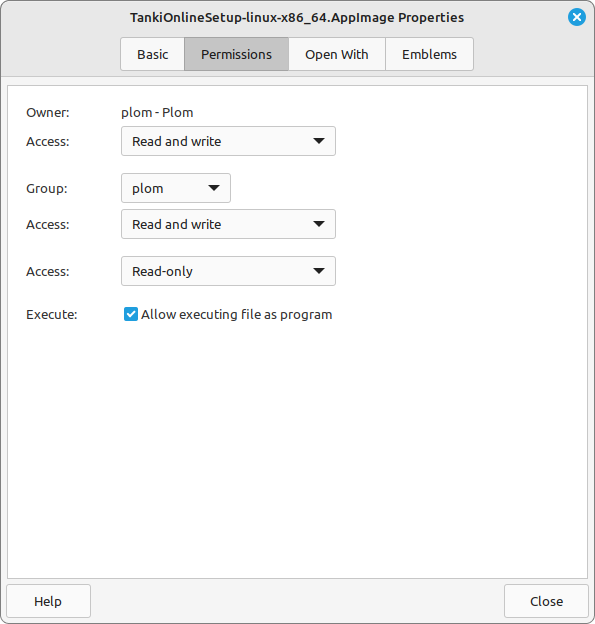
In order to make the game work, enable the «Allow executing file as program» in the app's properties.