
With predictive suggestions, voice typing...
Match your style... Choose from a set of colorful themes.
Guaranteed security of anything you type.

Full set of Sticker and emoji
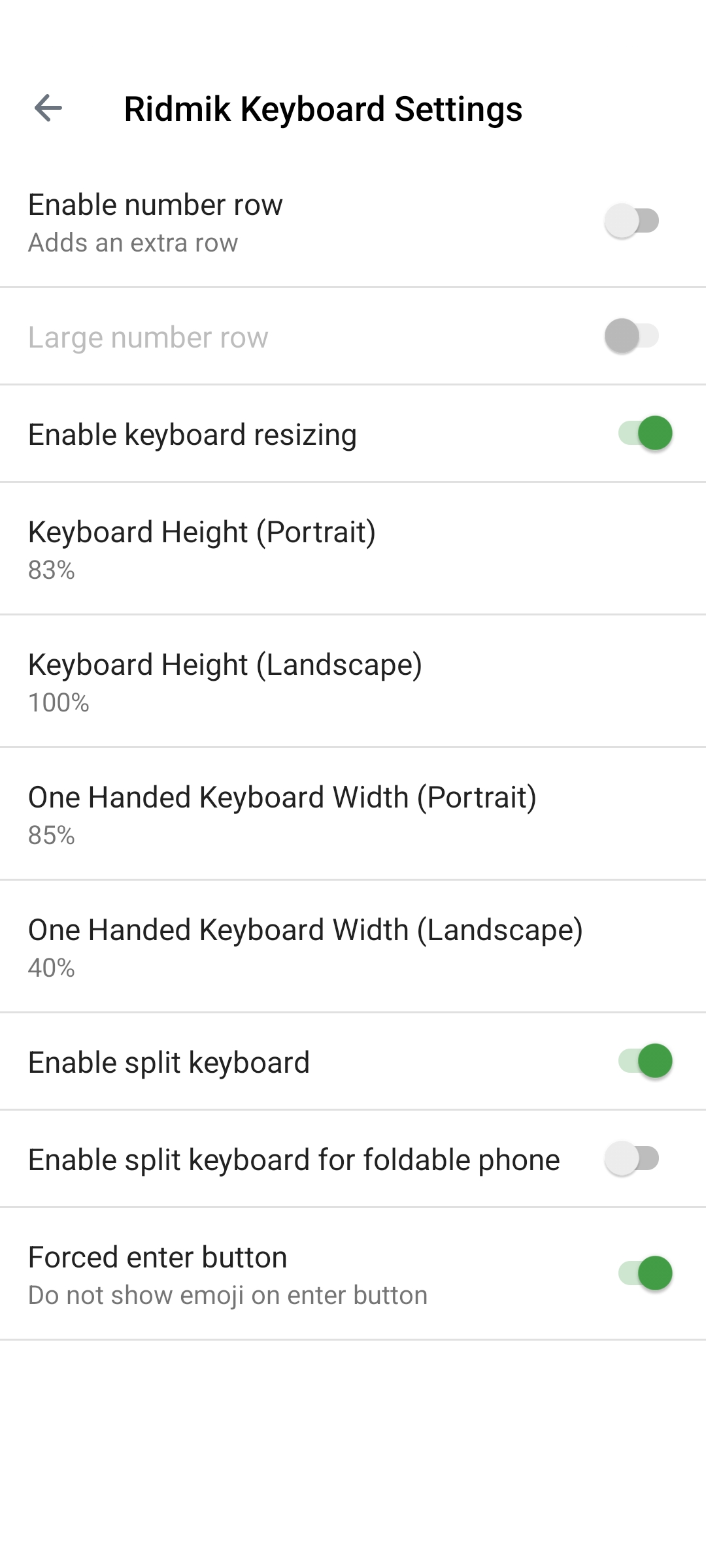
Bundled with more amazing features like optional number row, keyboard height adjustments, learn from your typing and more...




The interactive edition did more than just display static images. It introduced a suite of tools designed to test knowledge and enhance visual learning. 1. Plate Customization and Label Toggling
Despite its ambition, the v3.0 software received , even at the time of its release. One contemporary user's blog described it as "no exception" to the rule that textbook CDs are often a waste, citing "overwhelmingly negative" reviews of previous versions. While the Netter illustrations were universally praised, the software's interface and user experience apparently left something to be desired. Some felt the promised "interactivity" fell short of expectations, making the CD-ROM feel more like an expensive bundle with a physical book rather than a truly integrated digital learning experience.
The file can be stored on external hard drives or USB sticks for easy access across multiple legacy machines. Compatibility and Modern Workarounds netter interactive atlas of human anatomy v30iso
Anatomy is notoriously difficult due to the sheer volume of information and the necessity of understanding three-dimensional relationships from two-dimensional media. Version 3.0 addresses this challenge through its user-centric interface.
The spirit of that CD-ROM—interactive, digital, and portable—lives on in far more powerful and legitimate tools. To study anatomy effectively in 2025, your best option is to embrace the modern era. Whether you download the official for quick reference, invest in a Complete Anatomy subscription for deep, 3D study, or use a combination of both, you will be building on Netter's legacy in a safe, effective, and legal way. The interactive edition did more than just display
Unlike photograph-based textbooks, Netter’s illustrations emphasize the spatial relationships between muscles, nerves, and organs. He stripped away the visual clutter often found in real dissection photos to highlight what matters most to a clinician. His Atlas of Human Anatomy remains a gold standard in medical schools worldwide. Transitioning from Print to Digital: The v3.0 ISO
: A multi-level search tool allows users to find specific anatomical structures quickly by name or body region. Plate Customization and Label Toggling Despite its ambition,
For medical students, the Netter Interactive Atlas provides a "visual vocabulary" essential for clinical success. Reviews highlight its ability to provide context to specific surgical conditions and its packed structure of relevant topics for undergraduate medicine. While modern successors have moved toward full 3D models, version 3.0 remains a landmark for digitising one of the most respected medical art collections in history, ensuring that Netter’s precision remains accessible in the digital age. for the ISO or a guide on how to install it on modern Windows Interactive Atlas of Human Anatomy 3.0 - Amazon.sg
Elsevier has partnered with advanced 3D modeling platforms to overlay Netter's textures and clinical insights onto fully rotatable, dissectible 3D digital cadavers.
Ultimately, there is no single "best" tool. The ideal approach is to combine resources: use the for its world-renowned, clinically focused 2D illustrations and use a 3D platform like Complete Anatomy to understand spatial relationships.
While print textbooks offer a tactile experience, the digital format of Version 3.0 aligns closely with the fast-paced nature of modern medical curricula. It bridges the gap between the classroom and the dissection lab, allowing students to quickly reference a clean, pristine digital plate while working on a physical cadaver. Technical Performance and Interface


