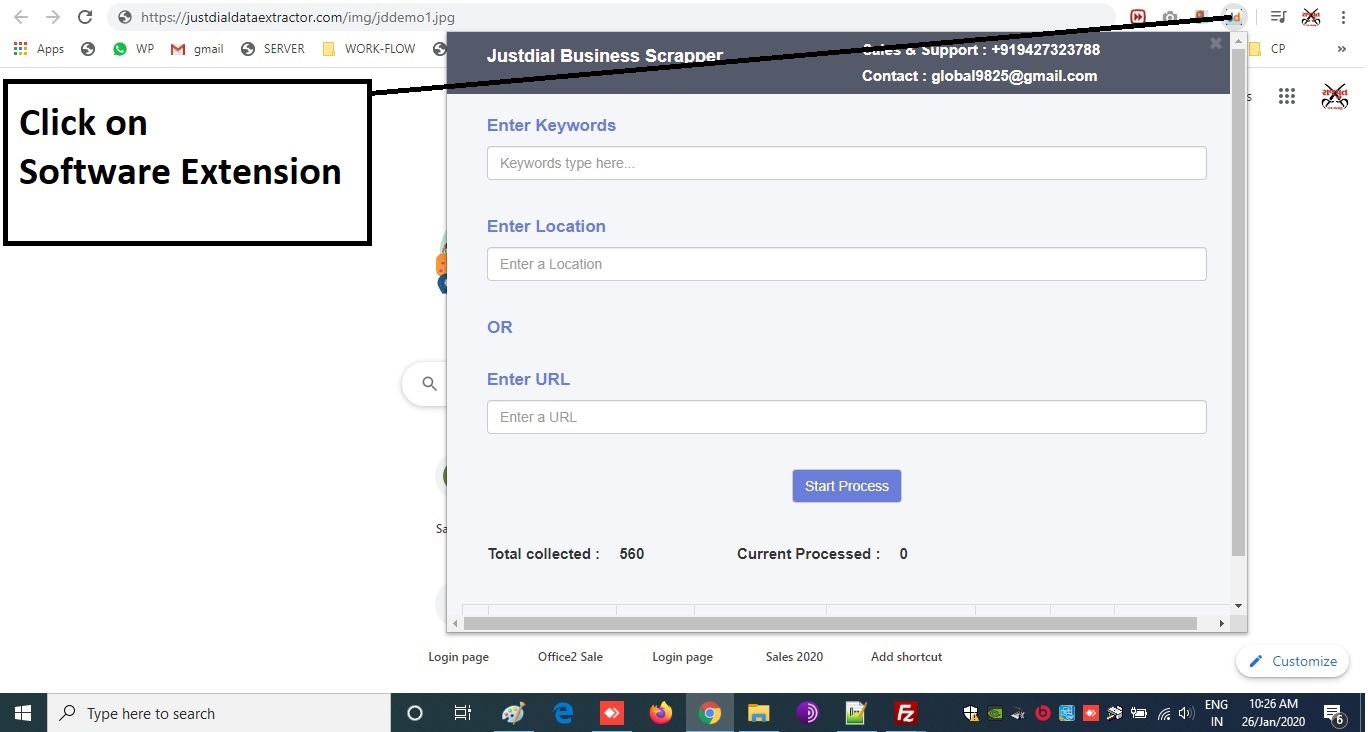
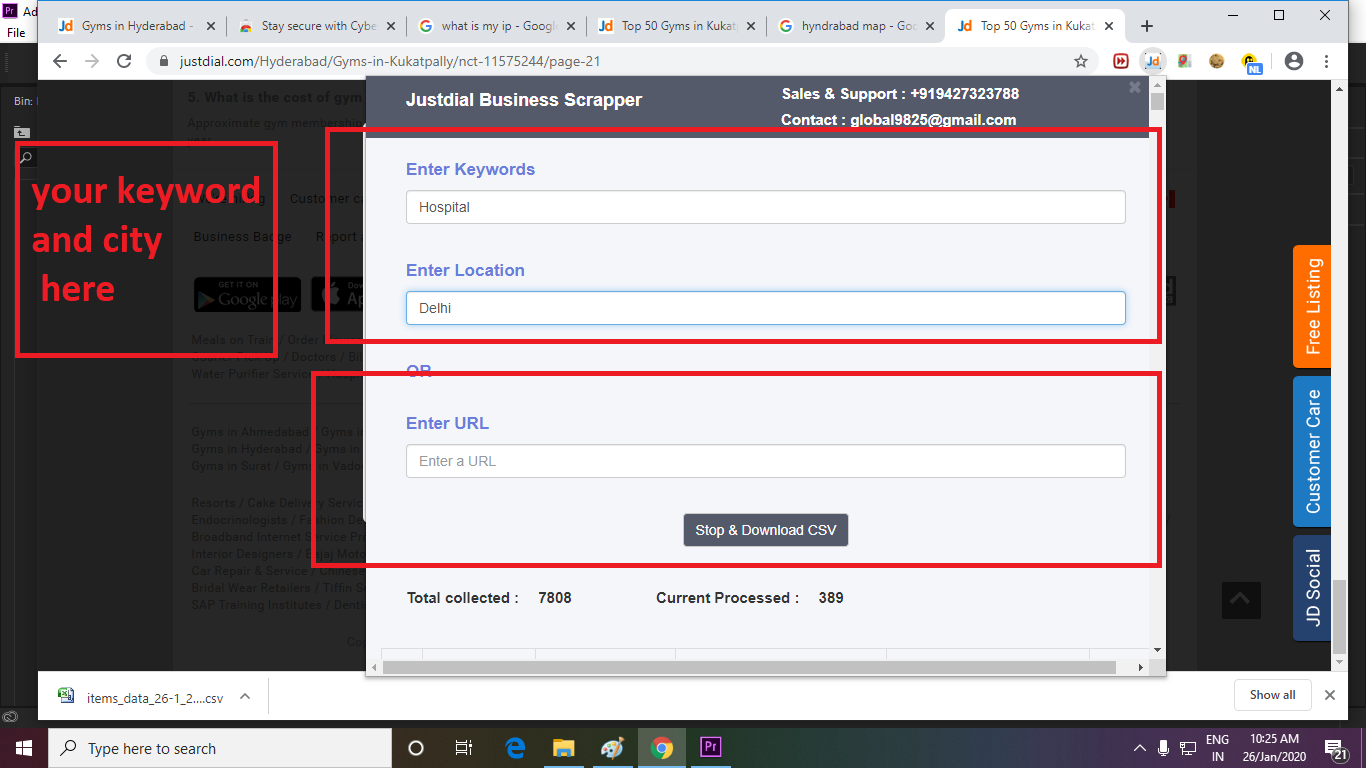
Just Dial Data Extractor (Application Work on Linux | Window | Mac)
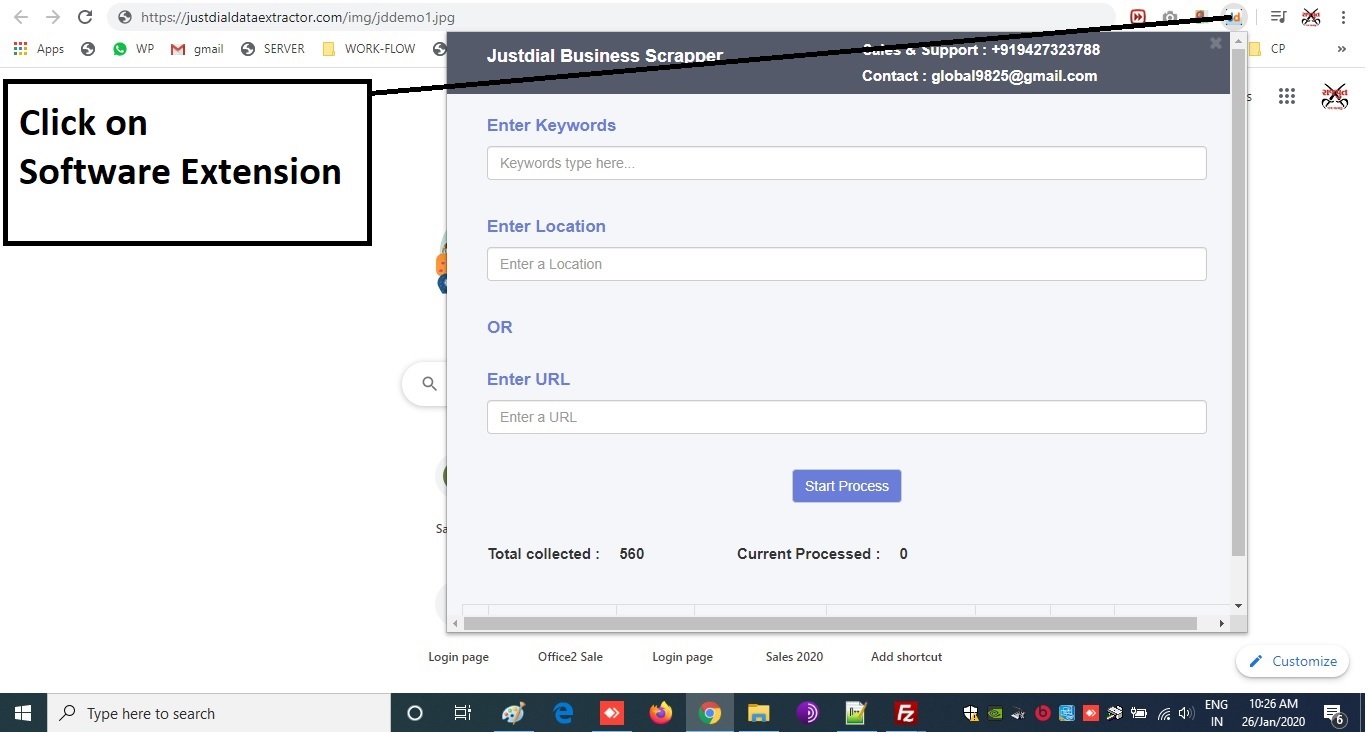
Just Dial Data Extractor
El contenido del libro se divide en varias partes importantes que cubren toda la mecánica intermedia y avanzada:
Los estudiantes buscan una copia digital por:
Sistemas no lineales, atractores extraños y el exponente de Lyapunov.
John R. Taylor bridges this gap perfectly. Known for his conversational yet precise writing style, Taylor explains complex mathematical derivations with physical intuition. The Spanish edition, Mecánica Clásica , preserves this clarity, making it an invaluable asset across universities in Spain and Latin America. Core Topics Covered in the Textbook
Many students search for the PDF version due to its role as a primary reference for problem-solving.
and conversational tone, bridging the gap between basic "freshman" physics and more advanced, abstract theoretical formulations like Lagrangian and Hamiltonian mechanics. 2. Core Content & Structure
You can often find a substantial preview of Classical Mechanics to read specific sections or check the table of contents.
But here is the dirty secret: Physics is learned by doing , not reading. A PDF on a laptop screen is terrible for doing math. You cannot easily flip back to Chapter 4 to check a cross-product rule while solving a central force problem on a PDF.
Facilita el autoaprendizaje sin necesidad constante de un tutor.
Guías paso a paso que muestran cómo aplicar la teoría a problemas reales.