Go beyond curated stations
Already using Spotify, TIDAL or Apple Music at home? Easily import your favorite playlists into your fully licensed dealership music account and stay compliant while enjoying full control.

Research suggests that people who consume a lot of romantic media—especially reality dating TV—tend to have more traditional, idealized beliefs about love (e.g., “love at first sight,” “soulmates”). Those who watch more deconstructive or tragic romances may become more cynical. The relationship between fiction and reality is not one-way; it’s a feedback loop.
Perhaps the most significant transformation in romantic storytelling is the deconstruction of the ending. Classic relationships in media were goal-oriented. The protagonist was incomplete, and the love interest was the missing puzzle piece. The wedding was the finish line.
Today, romantic storylines prioritize individual autonomy. Characters are written with distinct career goals, personal hobbies, and internal struggles that exist completely outside of their romantic partners.
For real-world relationships, this media shift has been liberating. Gen Z, in particular, is statistically more likely to define relationships by their own rules rather than inherited scripts. They have seen the script fail on screen.
After a night of heavy drinking and a sequence of competitive social interactions, Tara finds herself in a situation where her boundaries are blurred. The film focuses on the "grey area" of consent, where a lack of explicit "no" does not necessarily equate to a willing "yes." Critical Reception and Themes
Romantic storylines shape how we view love, connection, and ourselves. From the rigid courtships of 19th-century literature to the swiping culture of modern television, romance reflects the shifting values of society. Over the last few decades, how relationships and romantic storylines are portrayed has fundamentally changed, moving away from idealized fantasy toward complex realism. The Shift from "Happily Ever After" to Realism
Check local listings for independent cinema screenings.
: Consider getting tested for STIs before becoming sexually active with a new partner.
Use engaging visuals, storytelling, or scenarios that invite the audience to think critically about the topic.
Stop chasing HD. Start cultivating olistic, D eliberate presence. That is how you have sex in true high definition.
Already using Spotify, TIDAL or Apple Music at home? Easily import your favorite playlists into your fully licensed dealership music account and stay compliant while enjoying full control.
It only takes a few steps to get fully licensed music for your car dealership

Choose one of our plans, tell us about your company, and you're in! Explore all features for 14 days, completely free.
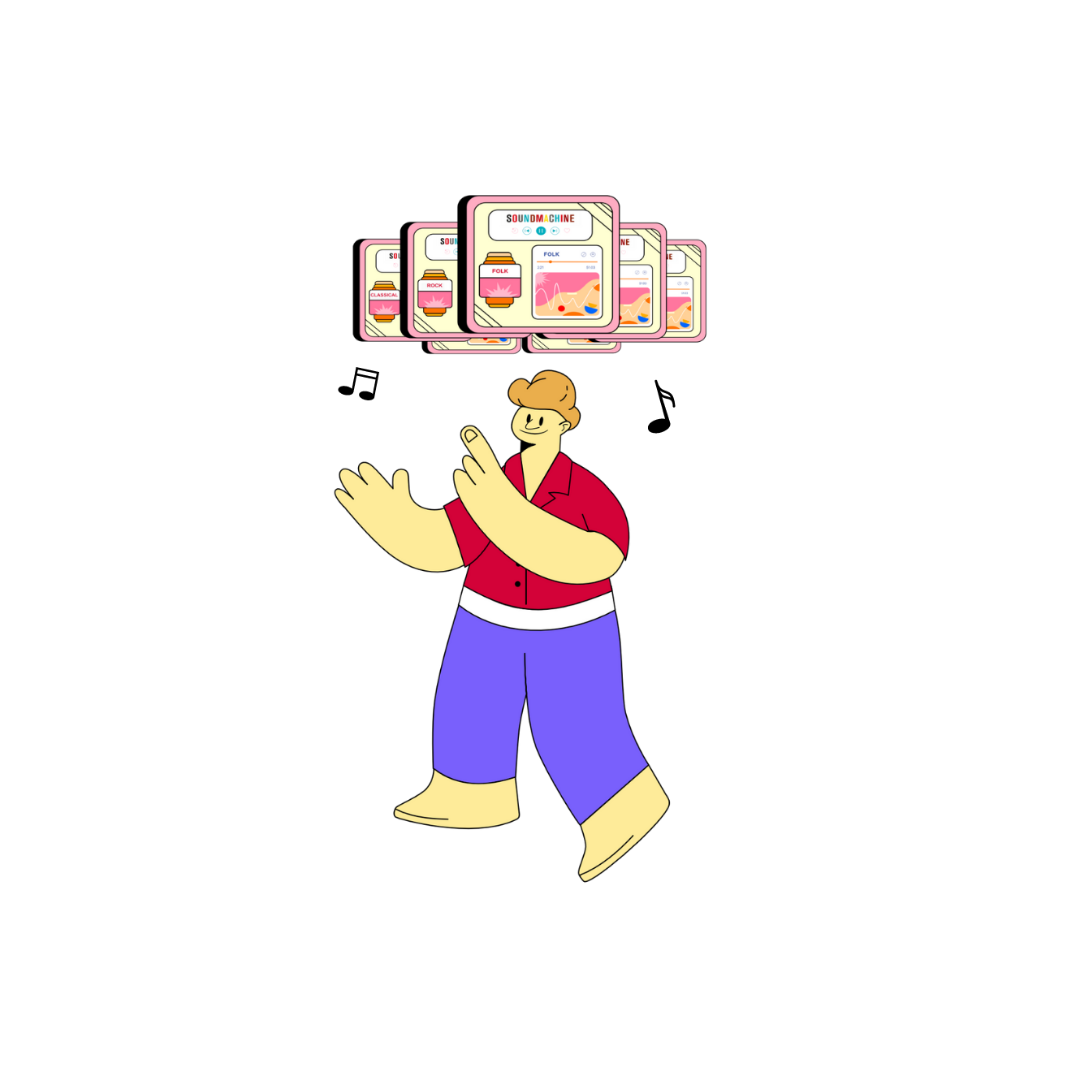
Choose from 500+ stations or import custom playlists from major platforms like Spotify, Apple Music, Youtube, and more.

Schedule stations, custom playlists, or mixes and get attention with promotional messaging.

You’re done! Watch as your car dealership instantly feel more inviting with professional-grade and expertly curated music
Research suggests that people who consume a lot of romantic media—especially reality dating TV—tend to have more traditional, idealized beliefs about love (e.g., “love at first sight,” “soulmates”). Those who watch more deconstructive or tragic romances may become more cynical. The relationship between fiction and reality is not one-way; it’s a feedback loop.
Perhaps the most significant transformation in romantic storytelling is the deconstruction of the ending. Classic relationships in media were goal-oriented. The protagonist was incomplete, and the love interest was the missing puzzle piece. The wedding was the finish line.
Today, romantic storylines prioritize individual autonomy. Characters are written with distinct career goals, personal hobbies, and internal struggles that exist completely outside of their romantic partners. How to Have SexHD
For real-world relationships, this media shift has been liberating. Gen Z, in particular, is statistically more likely to define relationships by their own rules rather than inherited scripts. They have seen the script fail on screen.
After a night of heavy drinking and a sequence of competitive social interactions, Tara finds herself in a situation where her boundaries are blurred. The film focuses on the "grey area" of consent, where a lack of explicit "no" does not necessarily equate to a willing "yes." Critical Reception and Themes Research suggests that people who consume a lot
Romantic storylines shape how we view love, connection, and ourselves. From the rigid courtships of 19th-century literature to the swiping culture of modern television, romance reflects the shifting values of society. Over the last few decades, how relationships and romantic storylines are portrayed has fundamentally changed, moving away from idealized fantasy toward complex realism. The Shift from "Happily Ever After" to Realism
Check local listings for independent cinema screenings. The wedding was the finish line
: Consider getting tested for STIs before becoming sexually active with a new partner.
Use engaging visuals, storytelling, or scenarios that invite the audience to think critically about the topic.
Stop chasing HD. Start cultivating olistic, D eliberate presence. That is how you have sex in true high definition.