: Exemples concrets d'aménagements hydro-agricoles en zones arides ou tempérées. 5. Comment Trouver et Sélectionner le Meilleur PDF ?
création de fossés, de rigoles et de modelés de terrain pour favoriser le ruissellement contrôlé.
Disclaimer: Assurez-vous toujours de vérifier la validité et la pertinence des documents trouvés en ligne pour vos projets spécifiques. cours d hydraulique agricolepdf top
: Analyse des écoulements (pertes de charge, débits) et des pressions dans les réseaux de distribution. Techniques d'Intervention Systèmes d'Irrigation Irrigation de surface : Gravitaire (par ruissellement ou submersion). Irrigation par aspersion : Simulation de la pluie via des tuyaux et des buses. Irrigation localisée (Goutte-à-goutte)
However, remember that a PDF is just the beginning. The most successful professionals know how to translate the formulas of Bernoulli, Darcy-Weisbach, and Manning into practical solutions in the field. They combine the knowledge from these courses with hands-on experience, modern software, and an awareness of the environmental and economic challenges of our time. création de fossés, de rigoles et de modelés
Efficacité : Maximale (90%+). Idéal pour les zones arides. 4. Comment reconnaître un "Top PDF" d'hydraulique ?
Un cours d'hydraulique agricole porte sur la gestion et la maîtrise de l'eau en milieu rural pour optimiser la production végétale. Ce domaine combine le génie civil, l'agronomie et l'hydrologie pour corriger la teneur en eau des sols par l'apport (irrigation) ou le retrait (drainage) d'eau Concepts Fondamentaux Besoins en eau des cultures création de fossés
: Liées à la longueur et à la rugosité du tuyau.
Lire un cours technique sur écran peut être fastidieux. Voici ma méthode pour tirer le meilleur du que vous aurez trouvé.
Le cours doit expliquer comment calculer l'espacement des arroseurs pour obtenir un coefficient d'uniformité (CU) optimal, ainsi que la gestion de l'effet du vent.
Add Sense for Chrome works in both the build-in Sense client and in mashups using the Capabilities APIs
Charts displayed with the API through getObject and visualization.show will be tagged.
Used app(s) will be displayed in the bottom right corner.
Properties and other buttons will work just as in the client.
If your mashup shows charts from more than one app, all will be listed.
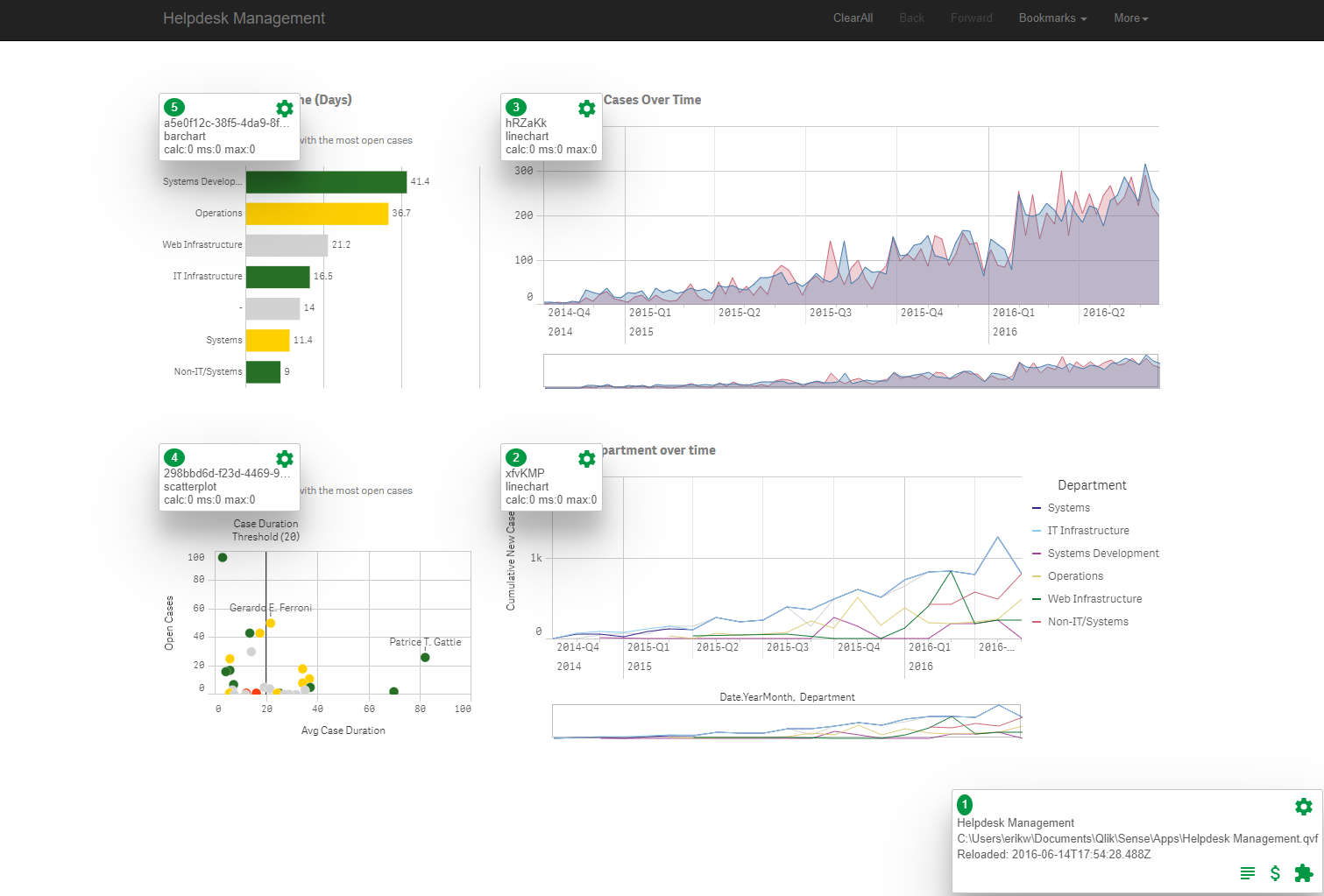
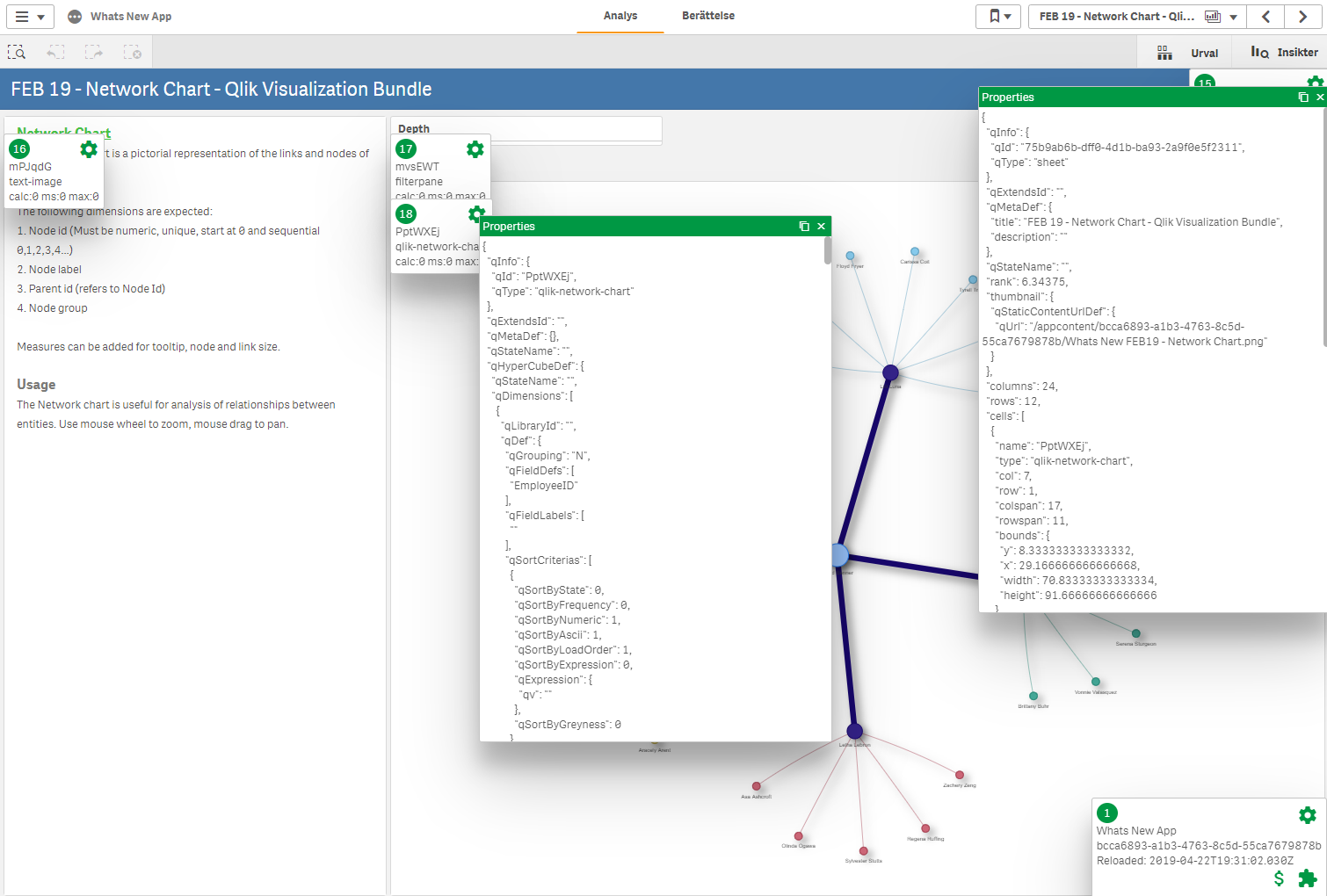
For all charts, sheets and the app you can click on the cogwheel.
That will display the properties for the object.
Use this to troubleshoot or to investigate what settings produce this chart.
You can display several objects properties at the same time, to make comparisons.
Properties can also be copied to clipboard.
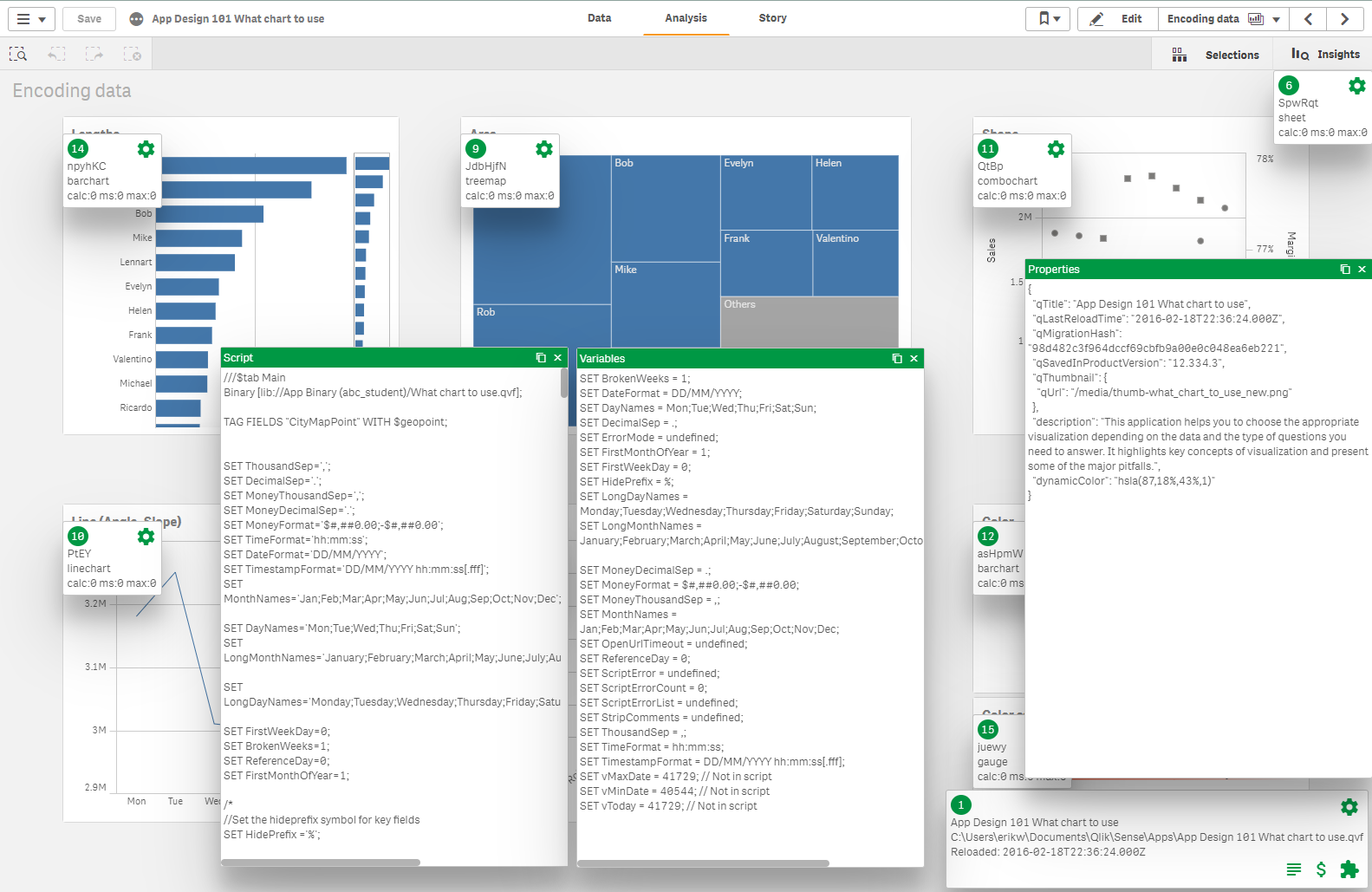
From the app box you can inspect the script, variables and app properties.
Windows can be open at the same time and moved.
You can also copy window contents, complete or partly, to the clipboard.
If you do not have access to the script the script button will not be available.
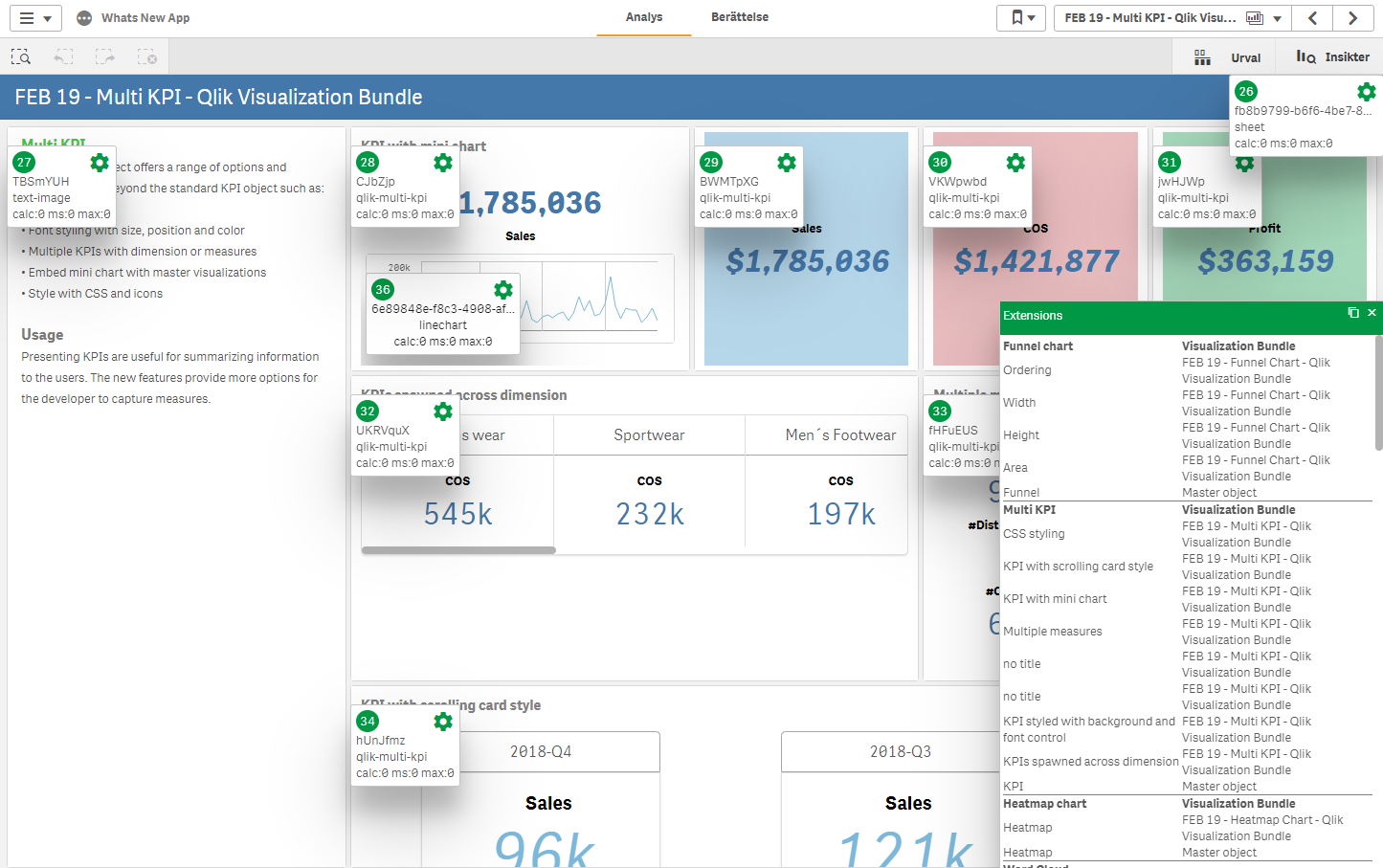
You can also easily see what extensions and charts are used in your app.
Just click on the extensions button in the app info box.
You will get a list of all axtensions and built-in charts are used in your extension, with title and sheet title
Master objects are also included.
The extension can also help you find performance problems.
When you enable the extension on a page, whether it's the standard client or a mashup, it will start recording recalculation times.
Every time an object is revalidated then extension will register time elapsed for recalculation.
It will also count how many revalidations has occured.
If the object is no longer on the screen, the extension will continue to monitor recalculations, so when you re-enable it you will get all the statistics.